Berberine: Benefits, Risks and Who Should Avoid It
Disclosure: this page contains affiliate links. If you buy through them we may earn a commission at no extra cost to you. It does not change our opinion. This content is for general information and is not medical advice. Learn more.
Berberine has become hugely popular, sometimes called "nature's Ozempic" on social media. It does have real effects, though much smaller than prescription GLP-1 medicines, and it comes with interactions worth knowing.
What the research shows
- Blood sugar: trials show reductions in fasting glucose and A1C in type 2 diabetes.
- Cholesterol: modest reductions in LDL and triglycerides.
- Weight: small average losses in some studies.
- Fatty liver: small trials show reduced liver fat.
Studies commonly used 900 to 1,500 mg a day, split into two or three doses with meals.
Side effects
Constipation, diarrhea, cramping and gas are common, especially at higher doses. Taking it with food helps.
Drug interactions
- Diabetes medicines: risk of low blood sugar
- Cyclosporine and tacrolimus: berberine can raise their levels
- Drugs processed by CYP3A4 and CYP2D6 liver enzymes
- Blood pressure medicines: effects may add up
Who should avoid it
- Pregnant or breastfeeding women; berberine can harm newborns
- Children
- Anyone on interacting medicines without a doctor's okay
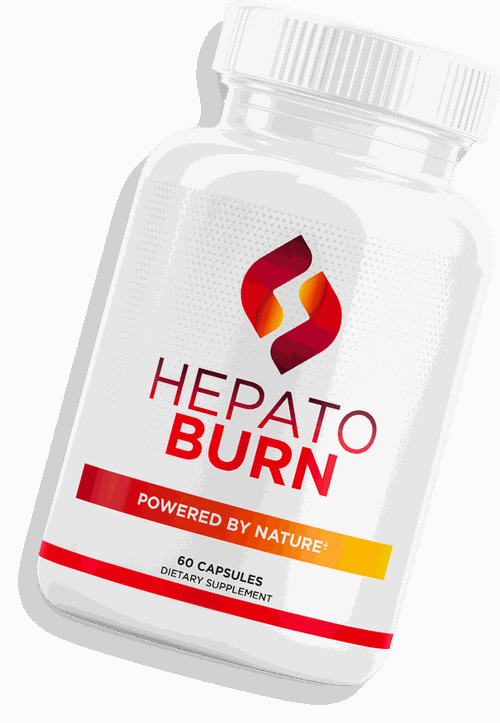
HepatoBurn contains berberine in an undisclosed amount. See HepatoBurn with diabetes medication.

Looking for extra support alongside these habits?
Read our honest review of HepatoBurn, a capsule with milk thistle, berberine and choline marketed for liver support and weight loss: what is in it, who should avoid it and what it costs.
Read the HepatoBurn review →