Green Tea Extract and Your Liver: The Safety Issue
Disclosure: this page contains affiliate links. If you buy through them we may earn a commission at no extra cost to you. It does not change our opinion. This content is for general information and is not medical advice. Learn more.
Drinking green tea is safe for most people. Concentrated green tea extract in supplements is different: it's been linked to rare but serious liver injury. That matters when it appears in a "liver" product.
Why extracts are different
Supplements concentrate the catechin EGCG far beyond what you'd get from a few cups of tea. European food safety authorities concluded that supplement intakes of 800 mg of EGCG a day or more were linked to raised liver enzymes. Reported liver injury cases have often involved weight-loss products, high doses or taking them on an empty stomach.
Who's at higher risk
- People with existing liver disease
- People taking several supplements or medicines that affect the liver
- Those taking extracts while fasting
- People with certain genetic factors, which can't be predicted in advance
Using products with green tea extract more safely
- Take with food, never on an empty stomach
- Don't stack several products containing green tea or EGCG
- Ask your doctor if you have liver problems
- Stop immediately if you notice yellow skin or eyes, dark urine, pale stools or pain under your right ribs
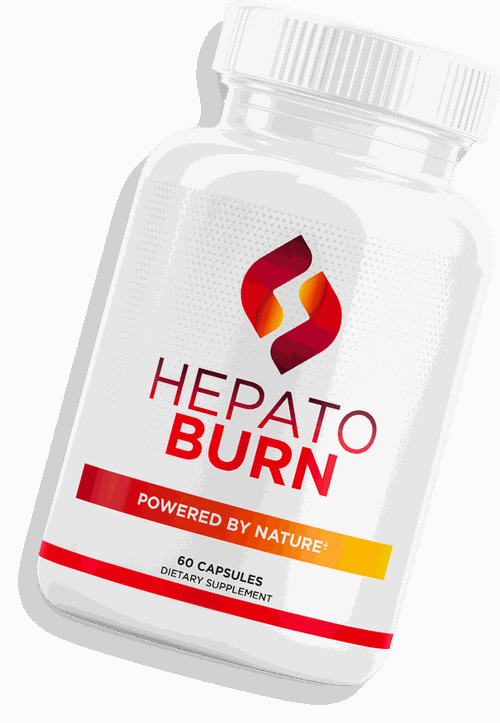
What this means for HepatoBurn
HepatoBurn lists Camellia sinensis (green tea) in an undisclosed amount. Take it with food and watch for warning signs. See HepatoBurn side effects.

Looking for extra support alongside these habits?
Read our honest review of HepatoBurn, a capsule with milk thistle, berberine and choline marketed for liver support and weight loss: what is in it, who should avoid it and what it costs.
Read the HepatoBurn review →