Fatty Liver Explained: What It Is and How to Reverse It
Disclosure: this page contains affiliate links. If you buy through them we may earn a commission at no extra cost to you. It does not change our opinion. This content is for general information and is not medical advice. Learn more.
Fatty liver is one of the most common health conditions in the US, and most people who have it don't know. The good news: it often improves with steady lifestyle changes.
What it is
Fatty liver means extra fat has built up in liver cells. When it's linked to weight, blood sugar, cholesterol or blood pressure rather than alcohol, it's now called MASLD (metabolic dysfunction-associated steatotic liver disease), previously NAFLD. Estimates suggest it affects roughly a quarter to a third of US adults.
Why it matters
In many people it stays mild. In some, the fat triggers inflammation (MASH), which can lead to scarring (fibrosis), cirrhosis and liver cancer over years. Fatty liver also goes hand in hand with a higher risk of heart disease and type 2 diabetes.
Who's at risk
- Extra weight, especially around the waist
- Type 2 diabetes or prediabetes
- High triglycerides or low HDL cholesterol
- High blood pressure
How it's found
Often by chance, on an ultrasound or from raised liver enzymes. Doctors may estimate scarring risk with a simple blood-based score or a FibroScan. See liver blood tests explained.
How to reverse it
- Lose 5 to 10% of body weight gradually. Around 5% reduces liver fat; 7 to 10% or more can reduce inflammation and scarring.
- Exercise at least 150 minutes a week. It helps even without weight loss.
- Cut sugary drinks and refined carbohydrates.
- Limit alcohol.
- Treat diabetes, cholesterol and blood pressure.
Prescription treatments are available for more advanced disease. Ask your doctor.
Where supplements fit
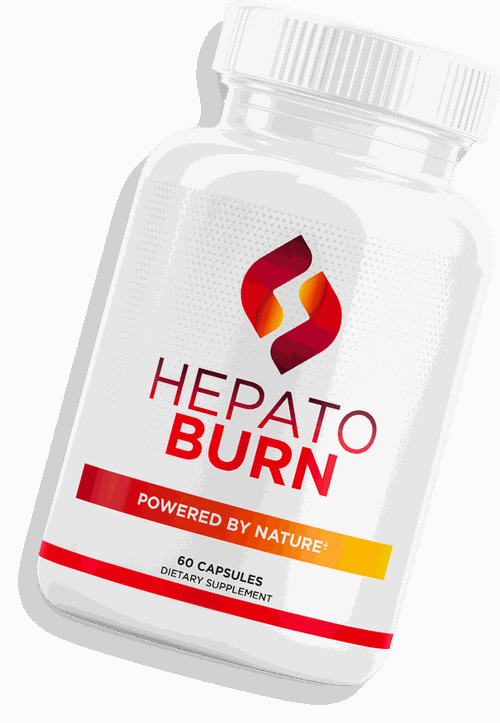
Some ingredients, like berberine and choline, have modest research behind them. None replace weight loss. Read our HepatoBurn review and HepatoBurn for fatty liver.
Questions
Does fatty liver cause belly fat?
It's mostly the other way around. Excess weight and insulin resistance cause fat to build up in the liver.
Is fatty liver reversible?
Yes, often, especially in early stages, with weight loss and exercise.

Looking for extra support alongside these habits?
Read our honest review of HepatoBurn, a capsule with milk thistle, berberine and choline marketed for liver support and weight loss: what is in it, who should avoid it and what it costs.
Read the HepatoBurn review →